
Africa First Fisheries Limited
Feeding Africa's Future
A next-generation fisheries enterprise combining precision aquaculture technology with sustainable offshore fishing — positioned to transform Nigeria’s blue economy.
who we are
A Company Built for Africa's Blue Future
Africa First Fisheries Limited (AFFL) is a forward-thinking fisheries enterprise established to unlock the vast, largely untapped potential of Africa’s aquatic food systems. We are building a vertically integrated seafood business rooted in world-class technology, environmental stewardship, and an unwavering commitment to food security on the African continent.
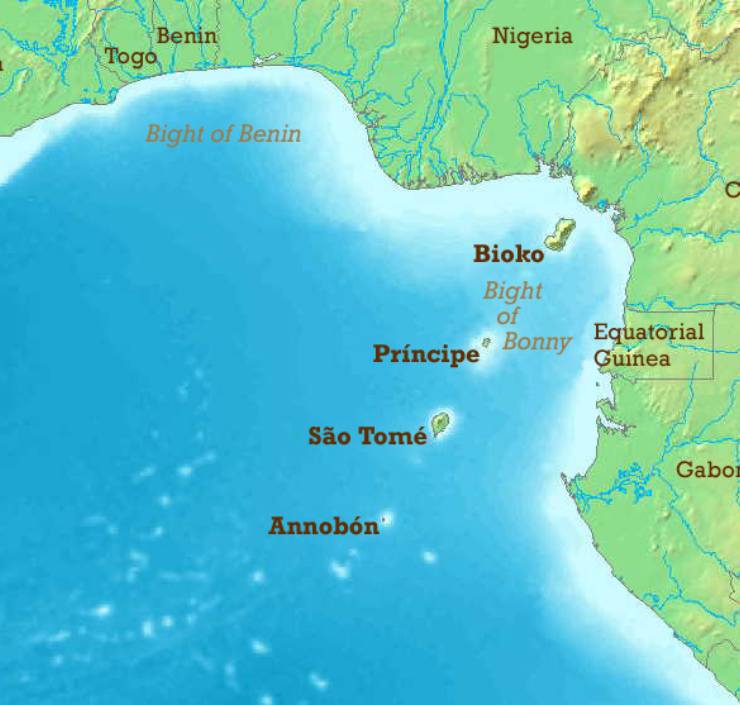
Headquartered in Nigeria, AFFL operates across two transformative pillars: land-based RAS farming of catfish and Nile Tilapia, and offshore deep-sea fishing targeting tuna and premium seafood within Nigeria’s Exclusive Economic Zone — with clear strategic intent to expand across the Gulf of Guinea.
We are not simply a seafood company. We are a systems-level response to one of Africa’s most pressing challenges: the gap between massive, growing protein demand and the infrastructure capable of meeting it sustainably, consistently, and at scale.
Acquaculture Technology
RAS
Offshore Jurisdiction
EEZ
World-Class Partners
0
Regional Expansion
GOG
Vision
To be the defining force of Africa's blue economy — delivering world-standard seafood from the continent's waters, for the continent's people, while building an industry that future generations can be proud of.
Mission
Our mission is to close Africa's seafood production gap through technology-driven aquaculture and responsible offshore fishing — creating economic value, food security, and lasting environmental stewardship.
what we do
Two Operations. One Transformative Vision.
1
RAS Aquaculture
Land-Based Precision Fish Farming
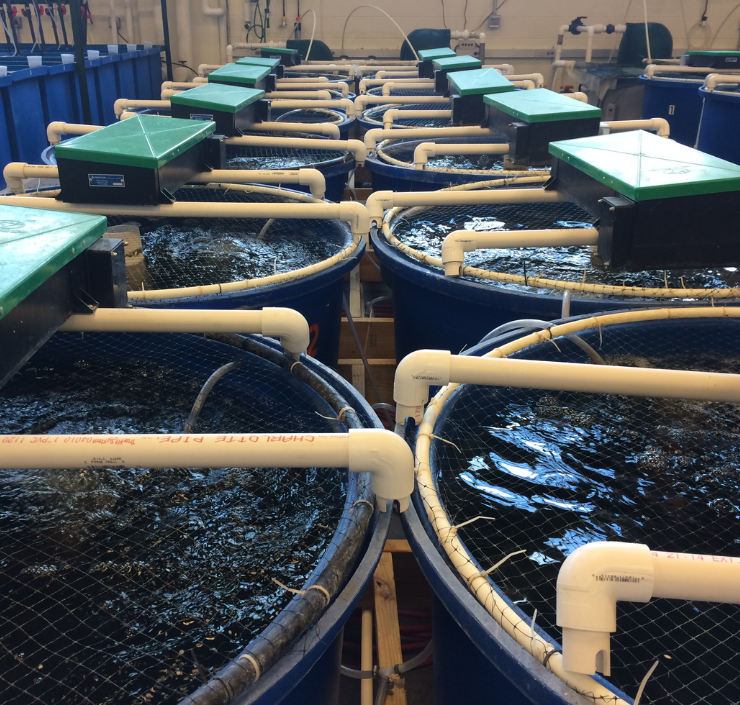
AFFL will establish state-of-the-art Recirculation Aquaculture System (RAS) facilities for the farming of African Catfish and Nile Tilapia — two of Nigeria’s most commercially vital fish species.
RAS technology enables full control over the production environment — water quality, temperature, oxygen levels, and feeding regimes — delivering superior yields, year-round production cycles, and a significantly reduced environmental footprint.
Offshore Fishing
Deep-Sea Tuna & Premium Seafood Harvesting
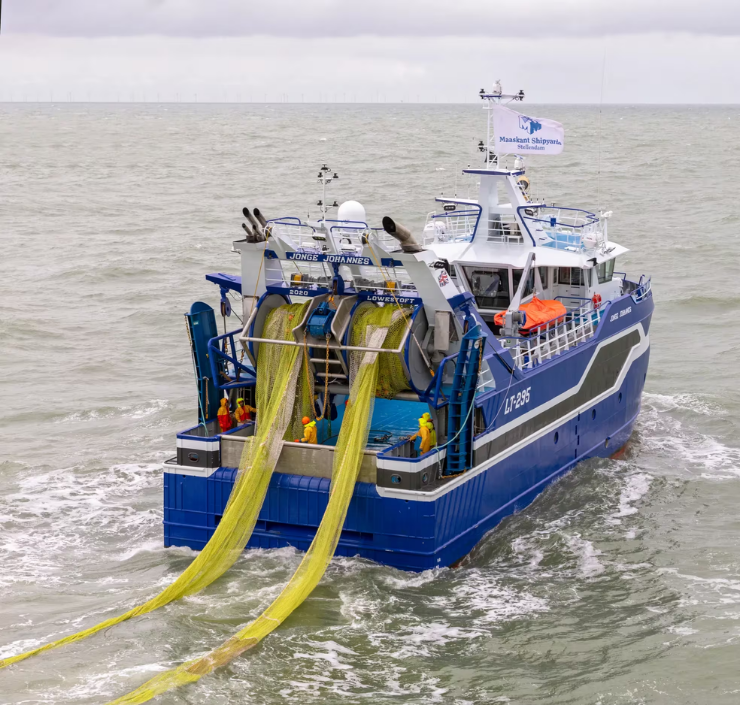
AFFL will conduct offshore fishing operations targeting Atlantic Bluefin, Yellowfin, and Bigeye Tuna as primary species, alongside other high-value seafood, within Nigeria’s Exclusive Economic Zone (EEZ).
Initial operations will be anchored in Nigerian waters, with a structured expansion roadmap extending AFFL’s presence progressively across the Gulf of Guinea — responding to the region’s enormous, underutilised marine potential.
2
RAS AQUACULTURE
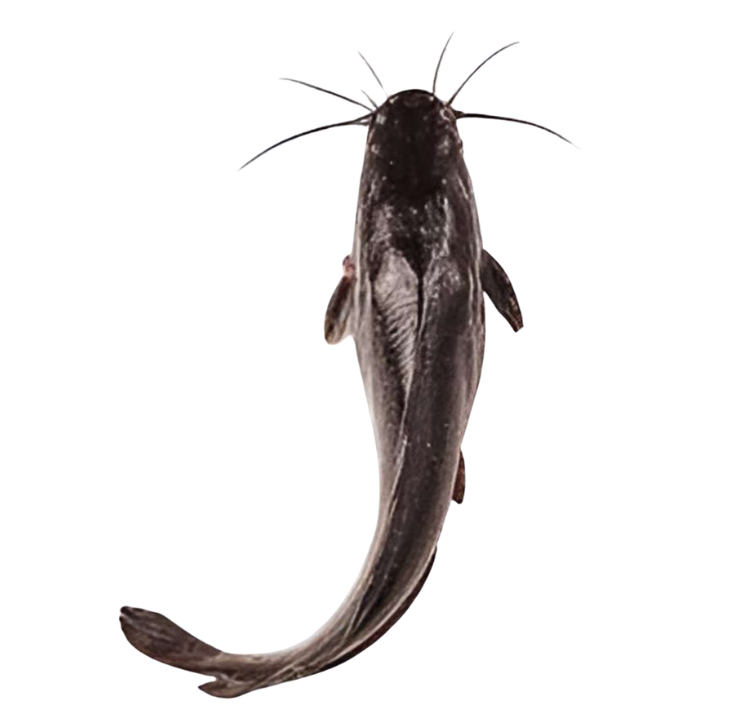
African Catfish
Clarias gariepinus
Nigeria’s most widely consumed freshwater fish. Thrives in controlled environments with exceptional feed conversion ratios and strong domestic market demand across all consumer segments.
Harvest Cycle: 6-8 Months
FCR (RAS): ~1.0–1.2
Market: Domestic + Export
RAS AQUACULTURE
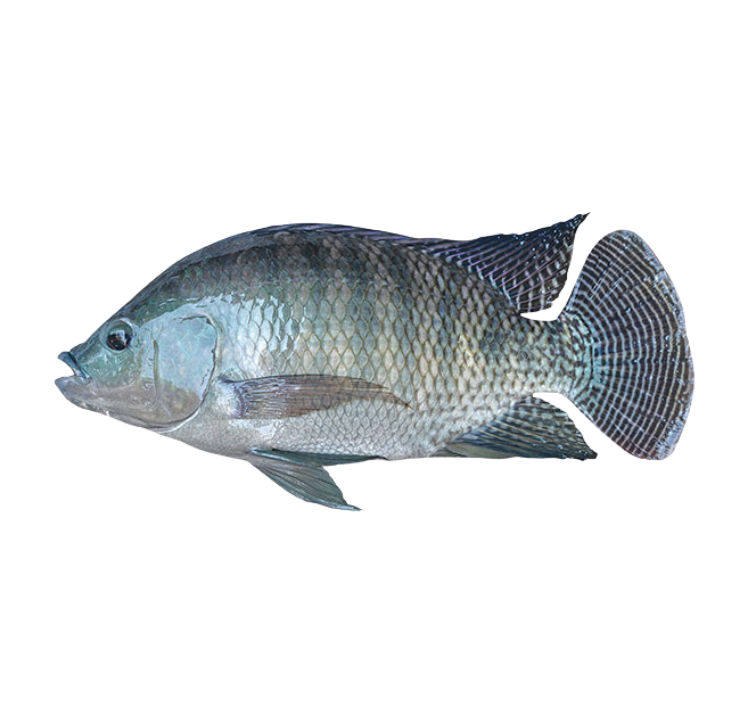
Nile Tilapia
Oreochromis niloticus
The world’s second most farmed fish. Resilience, rapid growth, and exceptional protein content make it ideal for both domestic food security and export. High consumer acceptance across Nigeria and West Africa.
Harvest Cycle: 5-7 Months
FCR (RAS): ~1.2–1.5
Market: Domestic + Regional
OFFSHORE FISHING
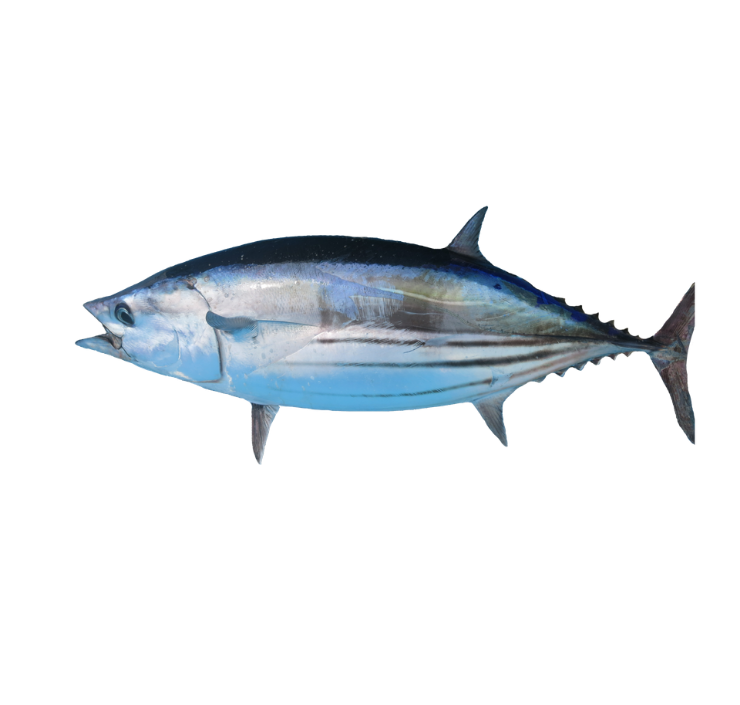
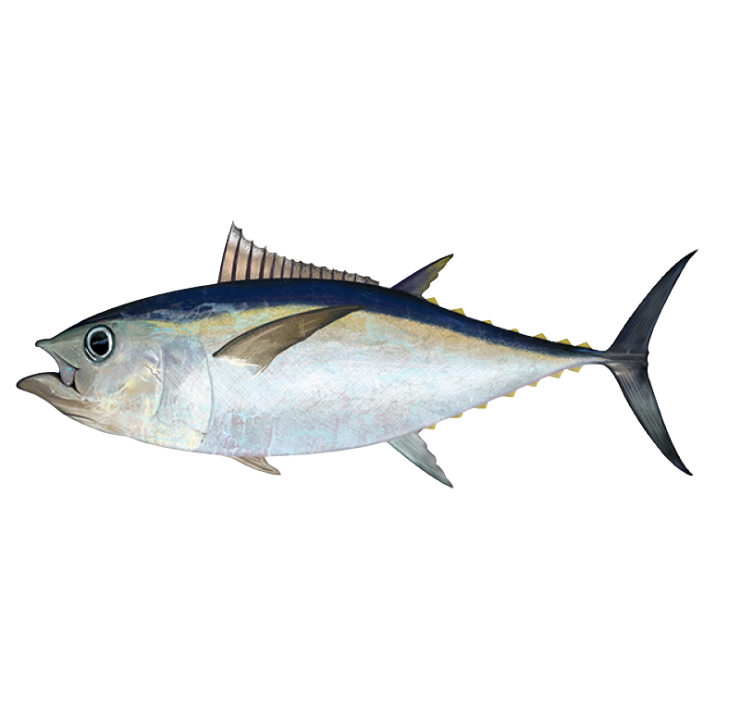
Atlantic / Yellowfin Tuna
Thunnus albacares
High-value pelagic species commanding premium prices. The Gulf of Guinea is among the world’s most productive tuna fishing grounds, offering exceptional commercial opportunity for AFFL.
Primary Waters: EEZ → Gulf of Guinea
Market: Domestic + Export
Product Form: Fresh/Frozen/Canned
OUR RESPONSIBILITY
Seafood That Does Not Cost the Earth
At AFFL, sustainability is not a marketing qualifier — it is an engineering principle embedded into how we build, where we source, and what we measure. The Blue Economy cannot be exploited into existence; it must be cultivated with the same care we give to the fish we raise.
Circular Water Systems
RAS technology enables near-complete water recirculation, dramatically reducing freshwater footprint vs. conventional aquaculture. Effluent is treated and reused, never discharged.
Responsible Offshore Practices
All offshore operations comply with international fisheries regulations and ICCAT quotas — ensuring the long-term health of fish stocks across the Gulf of Guinea.
Antibiotic Reduction
RAS biosecurity significantly reduces disease risk, enabling production with minimal antibiotic intervention, protecting fish welfare, product quality, and consumer health.
Community & Employment
Operations are designed to generate skilled employment, support local supply chains, and contribute meaningfully to food security in the communities we serve.
why affl
The AFFL Advantage

Technology-First
Built from the ground up with global best-practice RAS technology, informed by world-class partners who have designed systems on five continents.
Dual Revenue Streams
Aquaculture and offshore fishing deliver diversified revenue, seasonal balance, and the ability to serve different market segments simultaneously.
Africa-First Market Logic
Nigeria imports billions in seafood annually despite productive fishing grounds. AFFL addresses a structural inefficiency — and a massive commercial opportunity.
Expert-Backed Credibility
Partnerships with Jacob Bregnballe of AKVA group and Dr. Michael Bech of NAC secured before a single facility is built — signalling uncompromising standards.
Scalable Regional Vision
The offshore strategy spans the Gulf of Guinea — a region of dozen-plus nations — providing the foundation for a pan-African seafood enterprise.
Sustainability as Strategy
Environmental responsibility embedded in the operating model — not as a constraint, but as a competitive advantage attracting investment and price premiums.